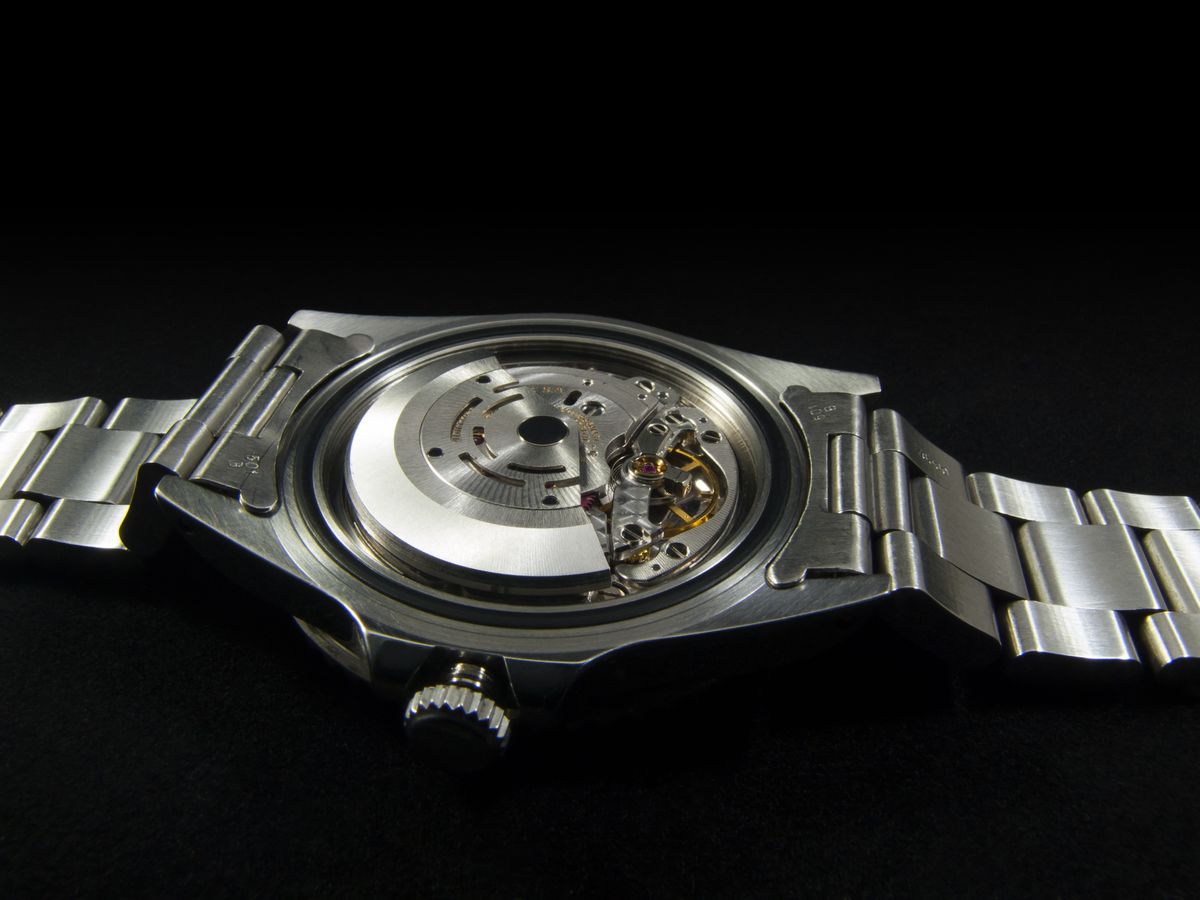
Valjoux, Unitas, Peseux, A. Schild — one by one, across the twentieth century, those houses were folded into a single group, and what came out the other end was ETA, the largest maker of ébauches in Switzerland. Base movements are the whole business. A cheap watch and an expensive one can share the same ETA calibre; the difference is that the expensive one has had it decorated, regulated more tightly and signed with the brand's own name. These are the eleven ETA calibres a collector runs into most. Click any of them for the full page.
| Calibre | Type | Jewels | Frequency | Years | Key note |
|---|---|---|---|---|---|
| 6497 / 98 | Hand-wound, sub-seconds | 17 | 18,000 vph | Unitas lineage | Big Unitas pocket-watch calibres, moved to the wrist |
| 2390 | Hand-wound | 17 | 18,000 vph | Vintage | A small manual calibre for dress watches |
| 7001 | Hand-wound, ultra-thin | 17 | 21,600 vph | Peseux lineage | Just 2.5 mm thick |
| 2824-2 | Automatic, date | 25 | 28,800 vph | Modern | Switzerland's most widely fitted automatic |
| 2892-A2 | Automatic | 21 | 28,800 vph | Modern | Slim, and the usual base for added complications |
| 2836-2 | Automatic, day/date | 25 | 28,800 vph | Modern | The 2824-2, with a day added |
| 2472 | Automatic, date | 25 | 18,000 vph | Vintage | Where the 2824-2 came from |
| 2550 | Automatic | 25 | 21,600 vph | After the 2452/2472 | The 24xx family, wound up to a faster beat |
| 2452 | Automatic | 25 | 18,000 vph | Vintage | Vintage automatic, no date |
| 2671 | Automatic | 25 | 28,800 vph | Modern | High beat in a small diameter |
| 7750 | Automatic chronograph | 25 | 28,800 vph | From 1973 | The chronograph that took over the industry |
How to identify an ETA calibre
The calibre number is engraved on the movement itself, and it usually shows the moment the caseback comes off — or through a display back. Because the same ETA calibre can turn up under very different names, sometimes with the word "ETA" polished away or altered by whoever finished it, the safest way to pin one down is to compare the bridge layout, the visible jewel and the position of the date against reference photographs of that specific calibre.