Buying a vintage watch without checking it properly is the commonest way to overpay for something carrying more trouble than it shows. You do not need to be a watchmaker to reach a sensible first opinion. You need to know what to look at, in what order, and which questions to ask before the wallet comes out.
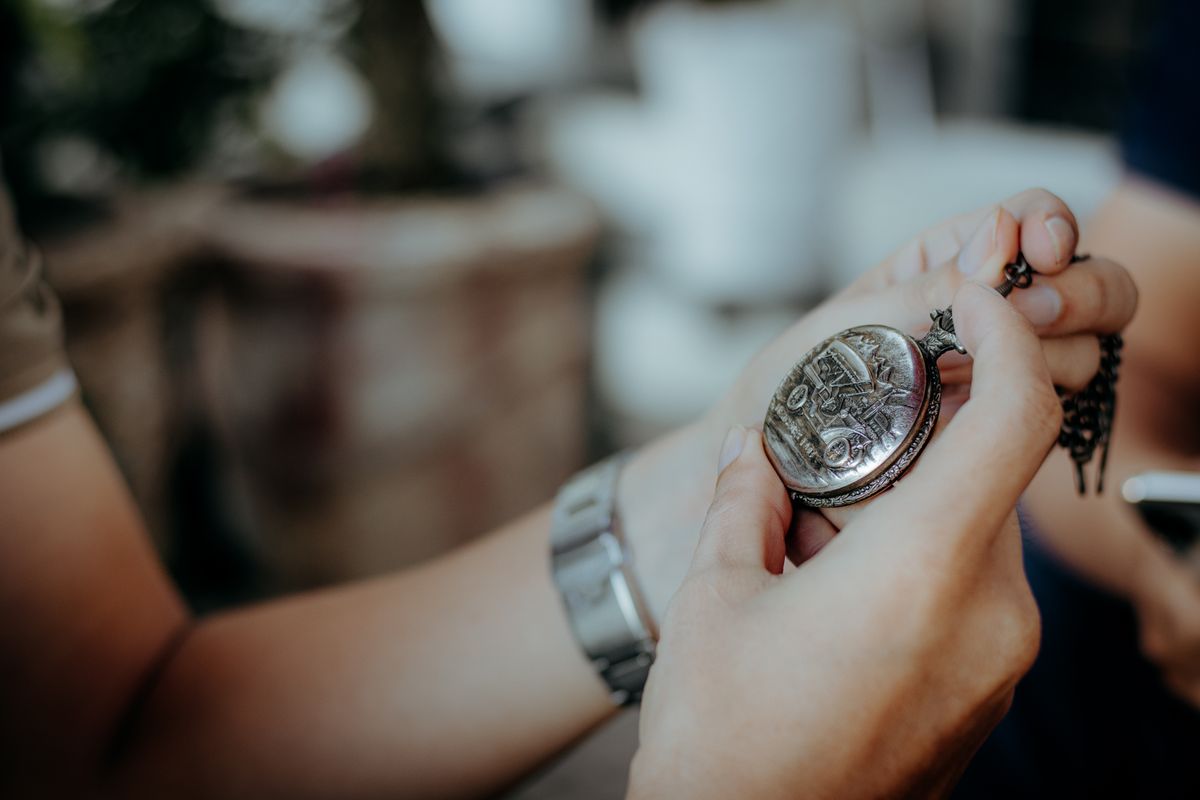
The quick checklist, before anything else
- Photographs in daylight of the dial, the whole case and the caseback
- Reference and serial number visible, or at the very least stated
- Service history, if the seller has any
- A straight answer on whether the dial is original or redialled
- The seller's returns policy, in case something is off when it arrives
The dial tells half the story
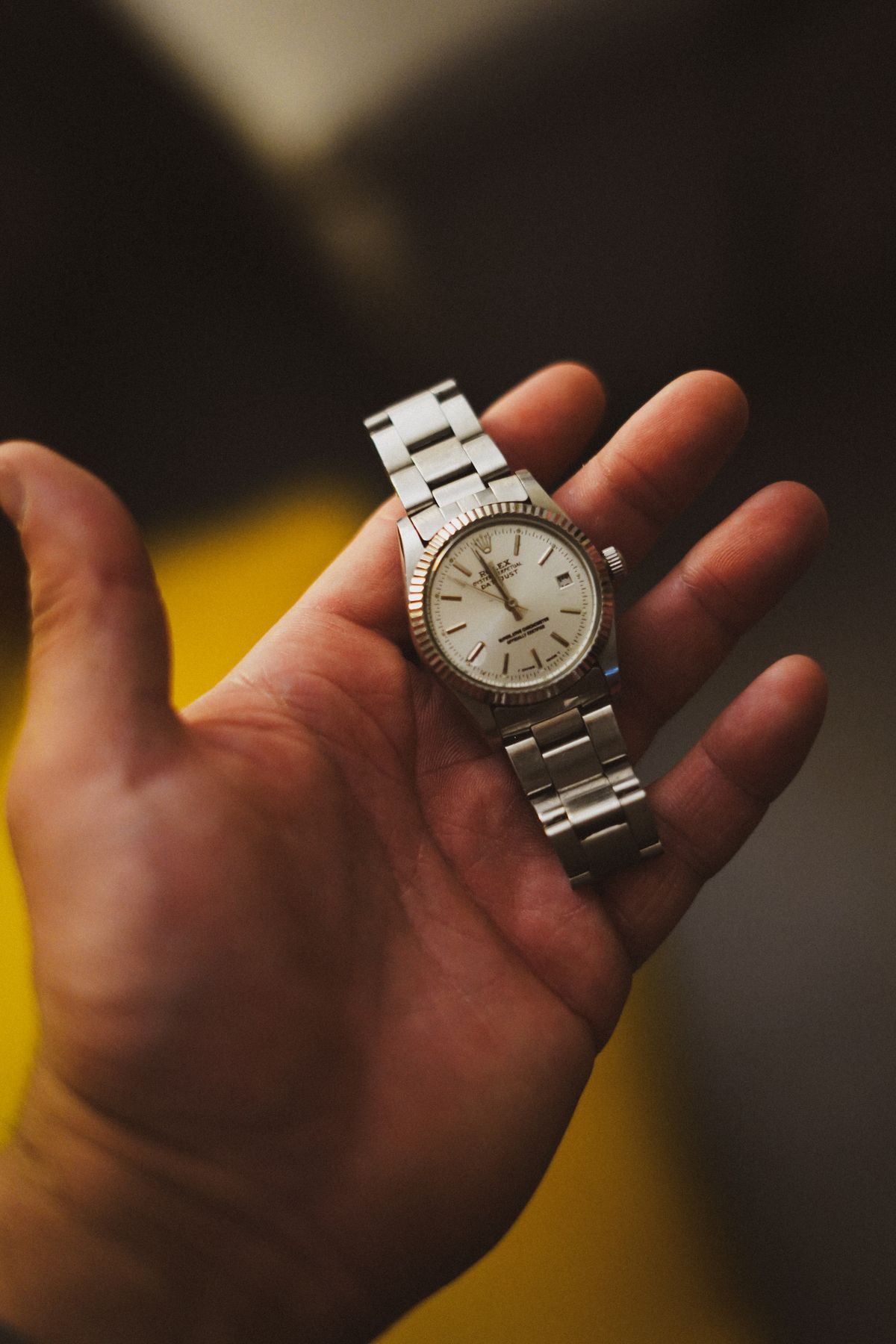
Start here, because a redialled or badly damaged dial moves the value more than almost any other single factor. Look for even printing and a logo whose colour matches the rest of the text, and for the absence of patchy moisture staining. Then check the lume — the luminous compound on the markers — for ageing that is consistent right across the dial rather than in a few places only.
Careful
Freshly applied lume on a watch said to be sixty years old, or markers in a perfect unaged white, point plainly to a restored or redialled dial. That does not necessarily rule the watch out, but it has to show in the price, and the seller has to tell you plainly.
The condition of the case
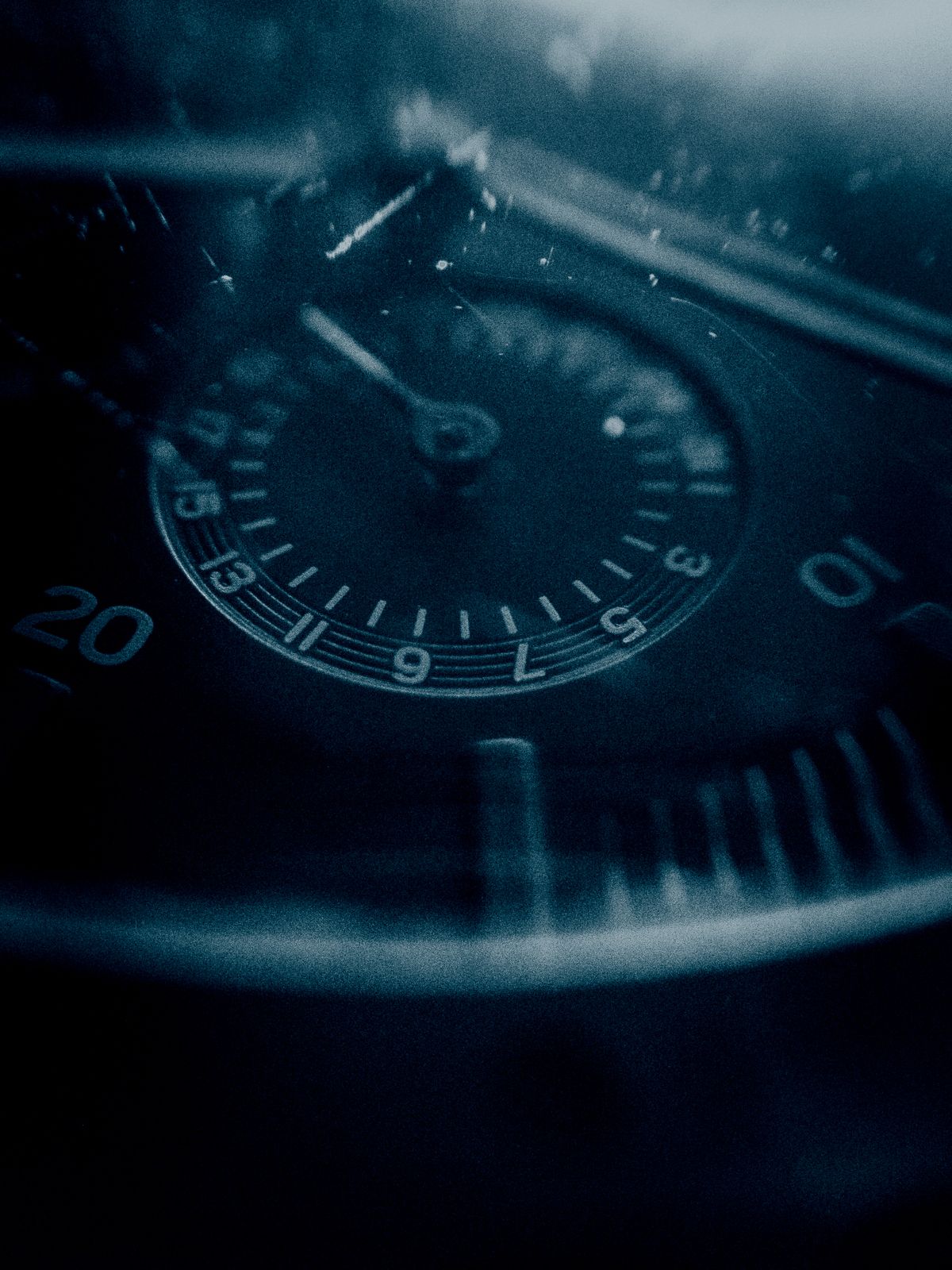
Our guide to polishing a watch case sets out how to spot an over-polished one: rounded bezels, softened edges, engraving you can barely read. It is among the easiest faults to see in a photograph, and among the biggest gaps between what a watch is really worth and what the seller is asking.
Check as well that the reference and serial number are legible and consistent with the period being advertised. If you are unsure how to read them, our guide to identifying a vintage Omega works through what each number means.
The movement: ask, do not assume
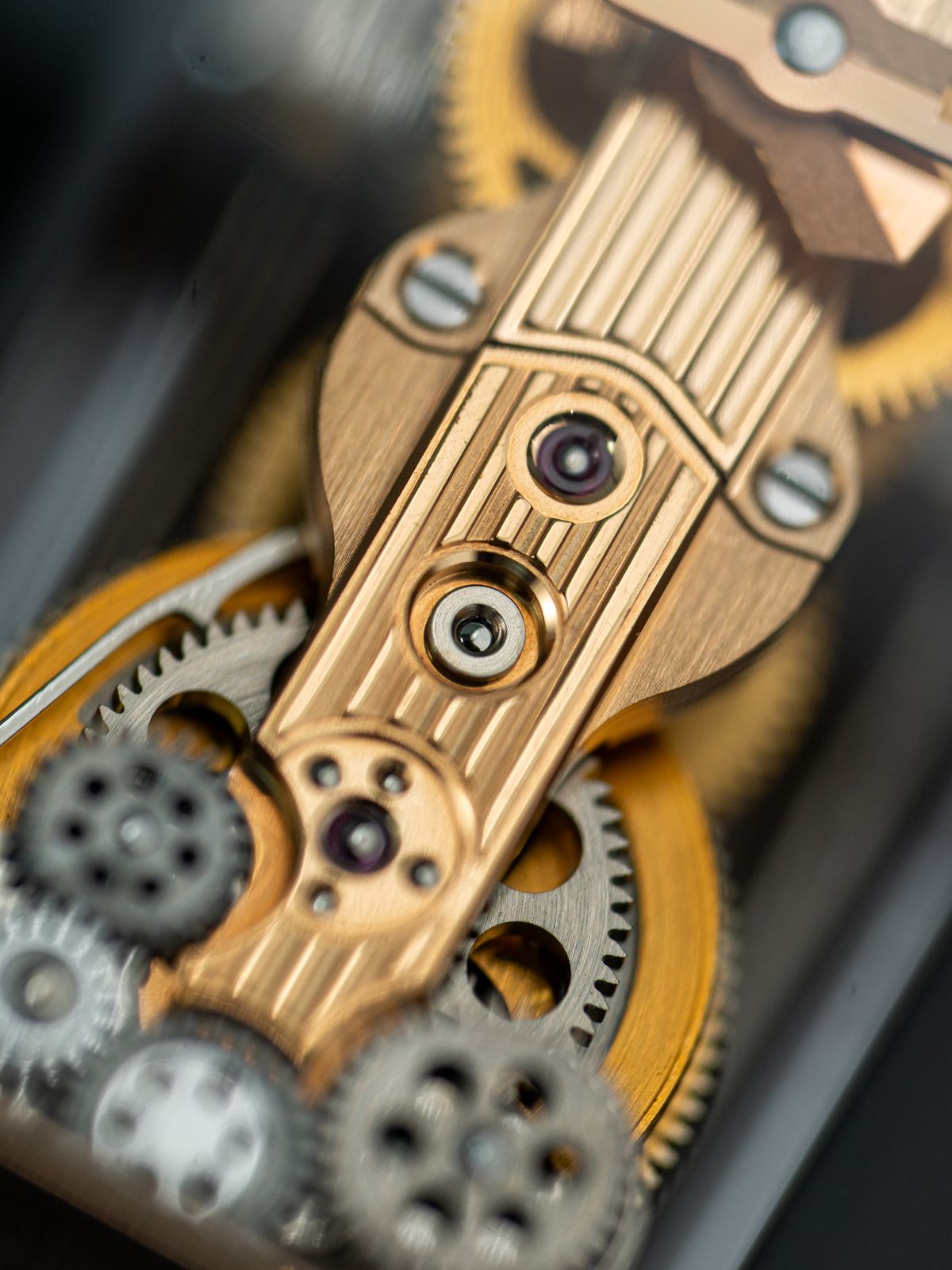
If the seller has not named the exact calibre, ask outright, and ask for a photograph of the movement through the caseback or, better still, with the back off. Then compare that calibre against the ones normally found in that reference — our reference library is arranged by brand and model, and each entry names the calibre that belongs inside.
Ask when it was last serviced, too. A watch that has gone years without attention will probably need a service before long, and that is a cost to add on top of the purchase price.
Questions to ask every time
- Are the dial, the hands and the crystal original to the watch?
- Which calibre exactly is in the movement?
- When was it last serviced, if that is known?
- Does the watch run properly — keeping decent time and holding its wind for a reasonable stretch?
- Does it come with the box, papers or any original documentation?
- What is the returns policy if something fails to match the description when it arrives?
Warning signs
- Blurred photographs, or only flattering angles: a seller worth dealing with has no reason to hide the real condition of the watch.
- Vague wording about the calibre or the reference: anyone who knows what they are selling describes it precisely.
- A price well below the market for that reference: there is nearly always a reason, and it is rarely the buyer's good luck.
- Refusal to answer a direct question about originality: an evasive reply about whether the dial is original usually means it is not.
Useful detail
When in doubt, always ask for more photographs in daylight before you decide — it is the cheapest and quickest way to rule out most of these problems before you commit to buying.