A vintage Omega keeps almost none of its history on the dial. It is spread across the case, the movement and, now and then, a set of papers that went missing decades ago. Pinning a watch down — its reference, roughly its year, the calibre actually fitted — is the first job before you buy, sell, restore or simply make sense of what is in front of you. This guide walks you through the four places Omega left that information.
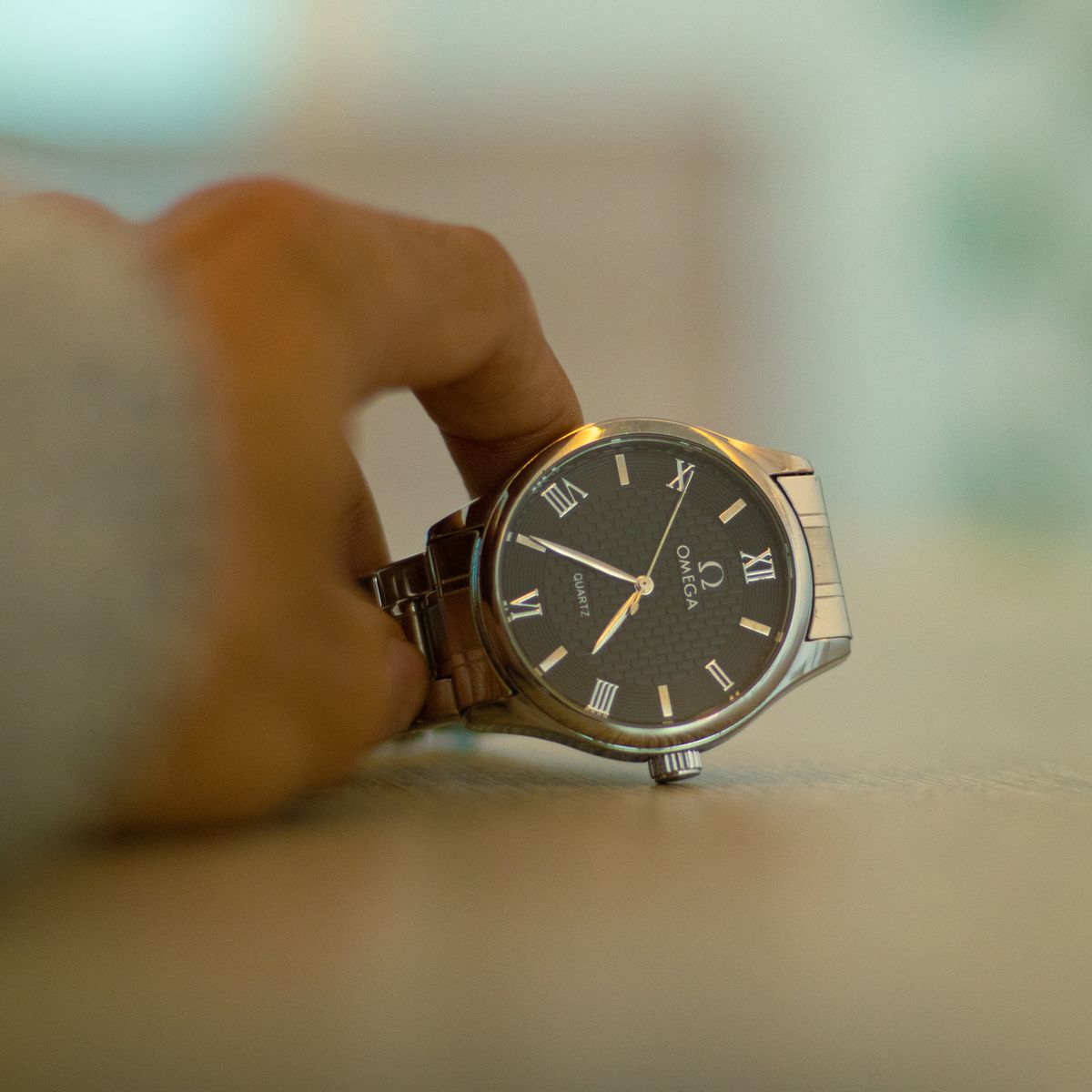
The reference: which model you are holding
The reference is the number that pins down the exact model within Omega's catalogue — case, dial, the strap it left the factory on. On watches from the 1940s to the 1960s it usually opens with "CK" and four digits: CK2913, for instance, is the first Seamaster 300. From the 1960s onwards Omega moved to six digits broken by full stops, along the lines of 145.022 or 166.024.
You will nearly always find it engraved between the lugs, on the back of the case, alongside the serial number. Some models carry it inside the caseback as well, where it only shows once the watch is open.
Useful detail
In a six-figure reference the first three digits usually name the family — 145 for Speedmaster chronographs, say — and the last three the particular variant within that family.
The serial number: when it was made
Engraved next to the reference, the serial number belongs to the movement rather than to the case. Match it against Omega's serial ranges — the collecting community has documented them thoroughly — and you can narrow down the year of manufacture. It is digits only, no letters, and runs to between six and eight figures depending on the period.
Nothing else dates a watch as reliably. Omega issued these numbers in sequence as movements came off the bench, and never reused one.
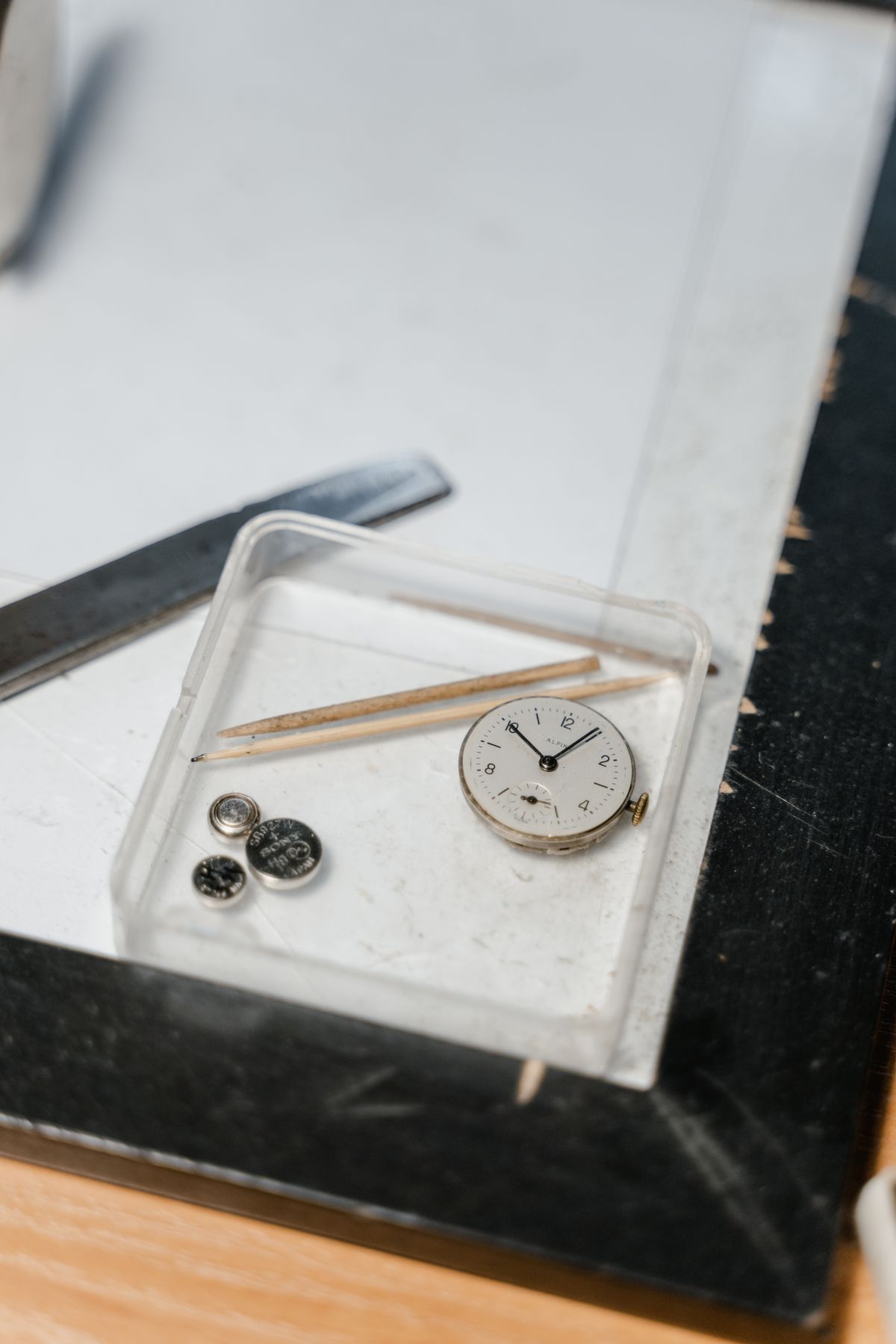
Reference and serial number almost always sit together, engraved between the lugs on the caseback.
The calibre: which movement is really inside
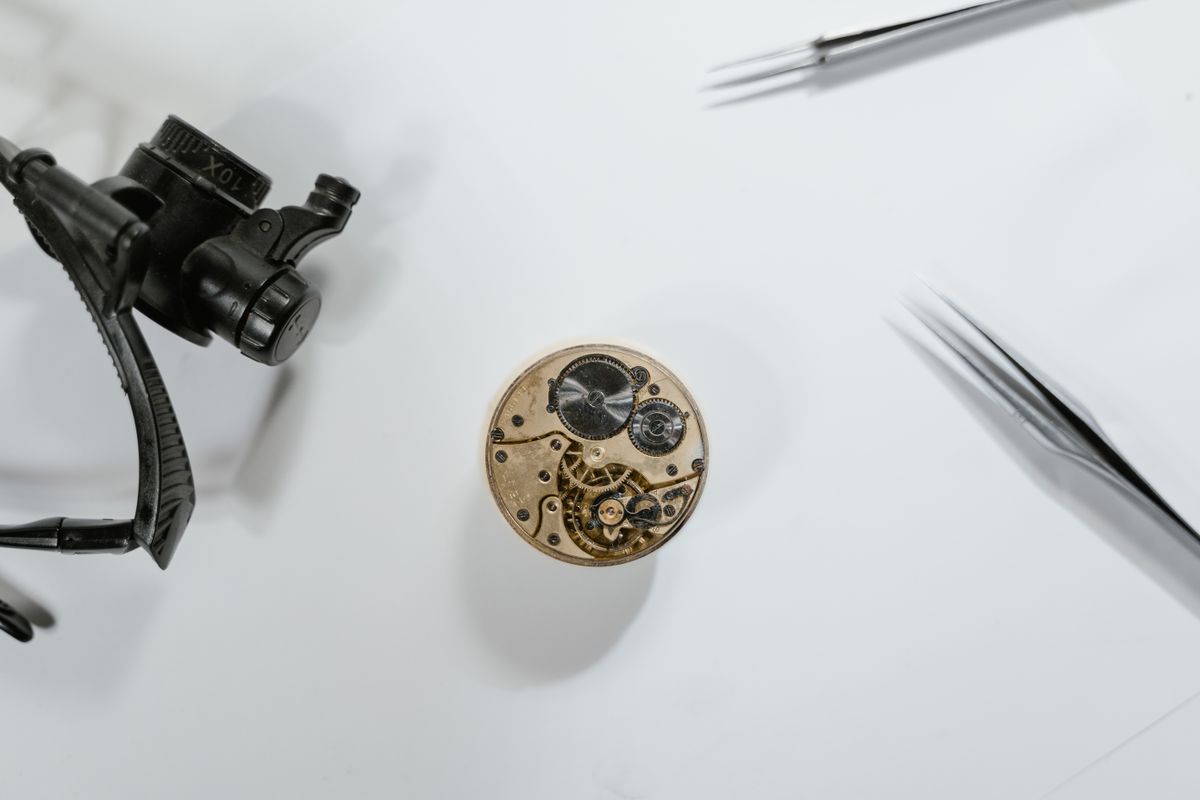
The reference gives you the model; the calibre gives you the engine. The two do not always pair up the way you would expect, because Omega carried the same case over to different movements as the years went on. So the only dependable way to know which calibre a watch holds is to take the caseback off and look at the movement itself — our guide to opening a watch without damaging it covers how.
The calibre number is engraved on the main bridge, usually close to the balance. Read it off and take it straight to our Omega calibre index: every number has its own page — the column-wheel 321 from the early Speedmaster, the automatic 565 with its quickset date, the 1861 that drove the Moonwatch — setting out which family it belongs to, which watches normally carried it, and whether it is the sort of movement that adds value or not.
Careful
A case signed "Seamaster", or carrying a particular reference, is no guarantee that the movement inside is the one the factory fitted to it. Decades of servicing have shuffled parts between watches more than any purist would like.
Case, caseback and hallmarks
Besides the reference, the caseback usually carries the Omega logo in relief and, on gold or gold-plated watches, hallmarks that state the metal and sometimes the country where the case was made. On water-resistant steel models you will often find the crown-and-key symbol too, the mark registered for the original Seamaster water resistance of the 1930s.
Pay attention to how worn these marks are. Caseback edges that look clean and sharp on a watch said to be seventy years old are a sign it has been polished at some point, and polishing can also wear away or wipe out part of the information engraved there.
Checking that it all adds up
The last step is the one that matters most: put the numbers against each other. Does the serial range fall in the period when that reference was in production? Is the calibre inside one of those Omega normally fitted to that model? Do the dial, the hands and the bezel look right for that generation of the watch?
- Write the reference, the serial number and the calibre down in one place before you start looking anything up — three long numbers are easy to muddle.
- Check the serial number against production-range tables from sources that specialise in vintage Omega.
- If something does not fit — a dial in a much later style inside a very early case, or a calibre Omega never put in that reference — do not assume it is a mistake. It may be a watch repaired with parts from elsewhere, and that hits the value directly.