 Screw-back
The case is threaded inside. The back turns off like the lid on a jam jar.
Screw-back
The case is threaded inside. The back turns off like the lid on a jam jar.
Work out what kind of caseback you are dealing with before you pick up a tool. The wrong opener is the quickest way to score an original case, roll over an edge or — worse — wreck the gasket. There is no single way into a watch. There are three, and each one wants its own tool.
1
The three kinds of caseback
Almost every mechanical vintage watch shuts in one of three ways. Telling them apart on sight, before anything touches the case, is what avoids 90% of the mistakes.
Screw-back
The case is threaded inside. The back turns off like the lid on a jam jar.
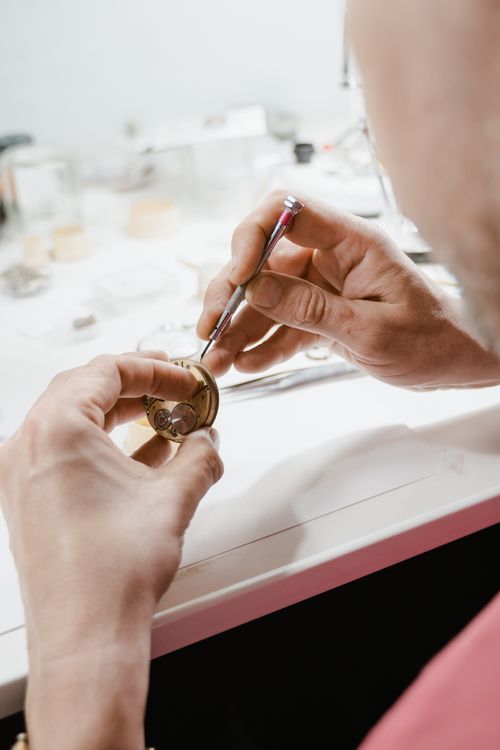 Snap-back
Press-fitted, no thread. There is usually a small lip to lever against.
Snap-back
Press-fitted, no thread. There is usually a small lip to lever against.
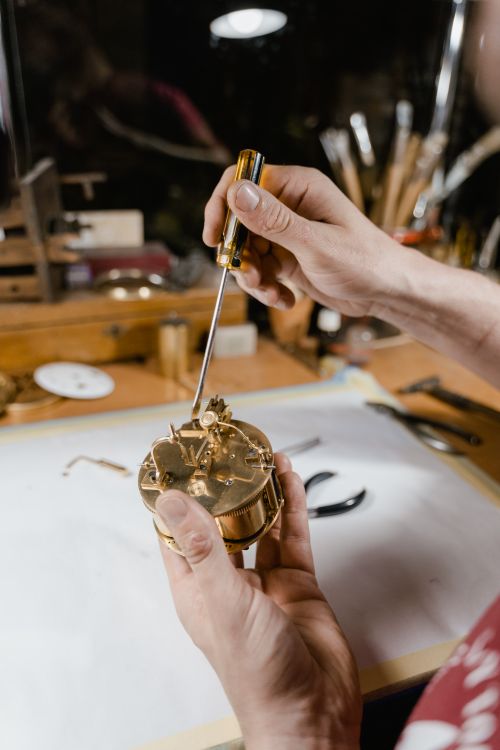 Screwed
Several small screws around the rim hold the back down onto the case.
Screwed
Several small screws around the rim hold the back down onto the case.
2
Before you start
- Work on a soft cloth, on a clear bench — a screw or a gasket that goes on the floor is a screw or a gasket you will not see again.
- Keep a small tray or dish to hand for the screws, laid out in the order they come out if the back is a screwed one.
- If the watch is on a leather strap, take it off or cover it. Straps are easy to nick while you are manoeuvring a tool.
- Never force anything. If it will not move under reasonable pressure, stop and check you have the right tool before you add muscle.
3
Screw-back cases
This is what you find on divers and sports watches, because a thread seals better than a press fit. You want an adjustable Jaxa-type wrench, whose two or four pins drop into the notches cut around the edge of the back.
- Set the pins to the notches on the back, without over-tightening the wrench's own adjusting screw.
- Hold the case firmly in your other hand, or clamp it in a case holder if you have one.
- Turn anticlockwise in one firm, continuous movement — no jerking.
- If the back will not start, leave it alone: a couple of drops of penetrating oil in the joint, a few minutes' wait, then try again.
4
Snap-back cases
This is the one that marks cases. You need a caseknife, which goes into the small lip on the edge of the back — nearly always visible near the lugs at six o'clock — and levers it off.
- Find the opening lip, usually a shallow notch in the edge of the back.
- Slide the blade in at a low angle, almost parallel with the case, and lever gently upwards.
- The back should come away with a click as the pressure lets go. If you are having to lean on it, check that the blade is properly seated in the notch.
Careful
Prising with a flat screwdriver instead of a proper caseknife is the single most common cause of scratches on the edge of a case. A caseknife blade is ground to slide without leaving a mark. A screwdriver is not.
5
Screwed backs
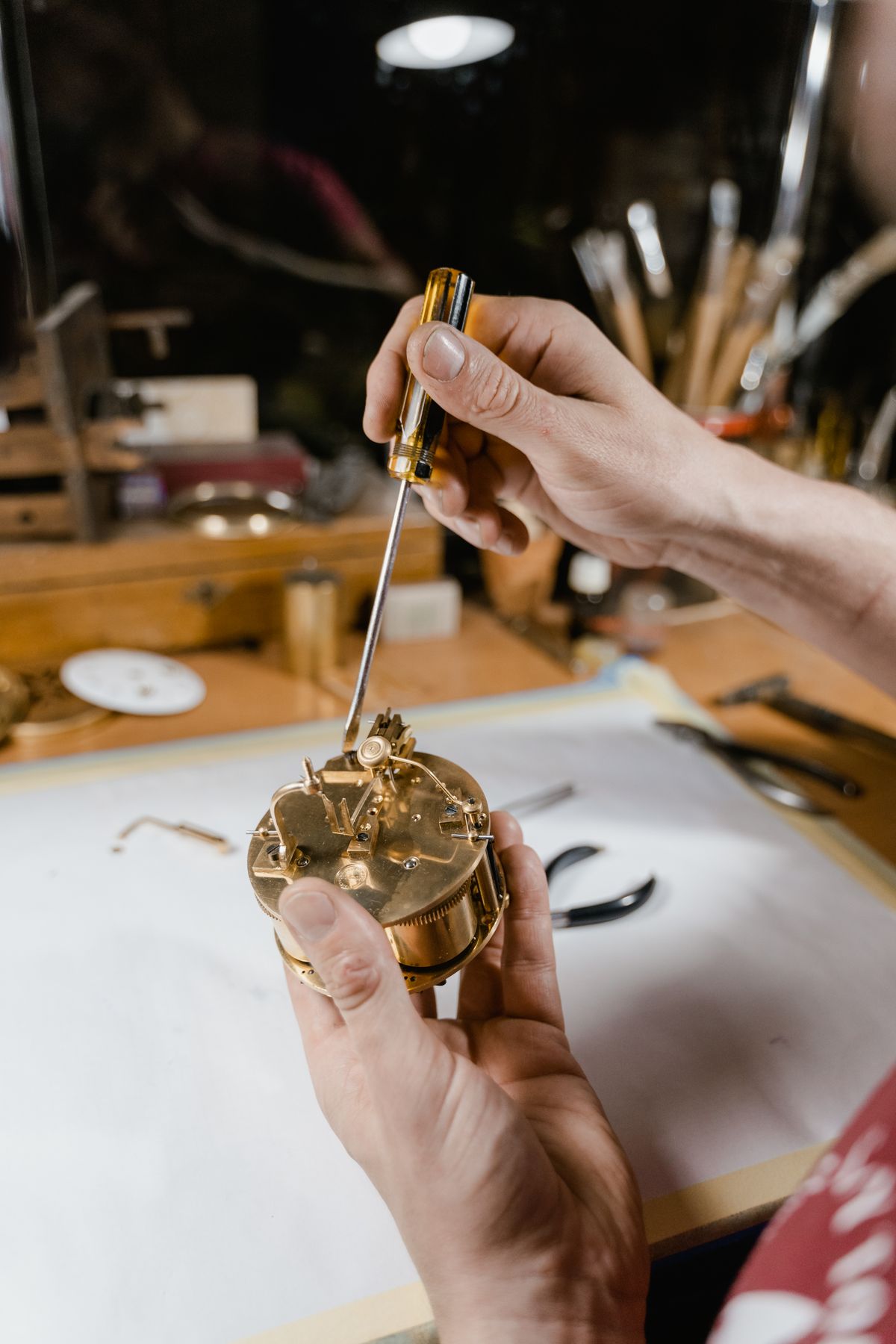
It looks like the easy one, and it is — as long as you respect the order and the size of each screw. You need a set of watchmaker's screwdrivers with blades dressed to the exact width of the slot. A blade that is too wide or too narrow rounds out the head and leaves you with a screw nothing will turn.
- Check first whether every screw is the same size or whether one of them is different. It is uncommon, but it happens on some references.
- Slacken each screw a little at a time, going round them in turn rather than taking one right out before starting the next, so the tension comes off evenly.
- Keep the screws in the order they came out, particularly if you have spotted any difference between them.
6
Closing it up again
Before the back goes on, look at the gasket — the rubber ring seated in the groove around the opening. If it is dry, cracked or squashed out of shape, replace it with a new one of the right size first. Skip that and the watch loses its water resistance even though the closure itself works perfectly.
Worth knowing
A new gasket, properly seated, with a thin film of grease made for watch gaskets, is the difference between a watch that is still water-resistant and one that only looks it.
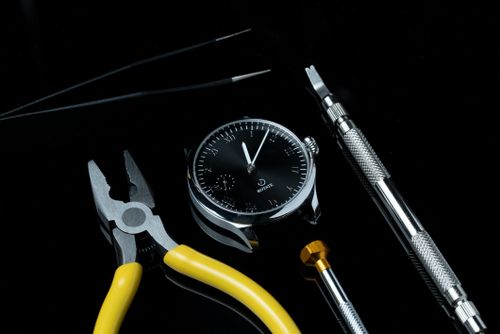
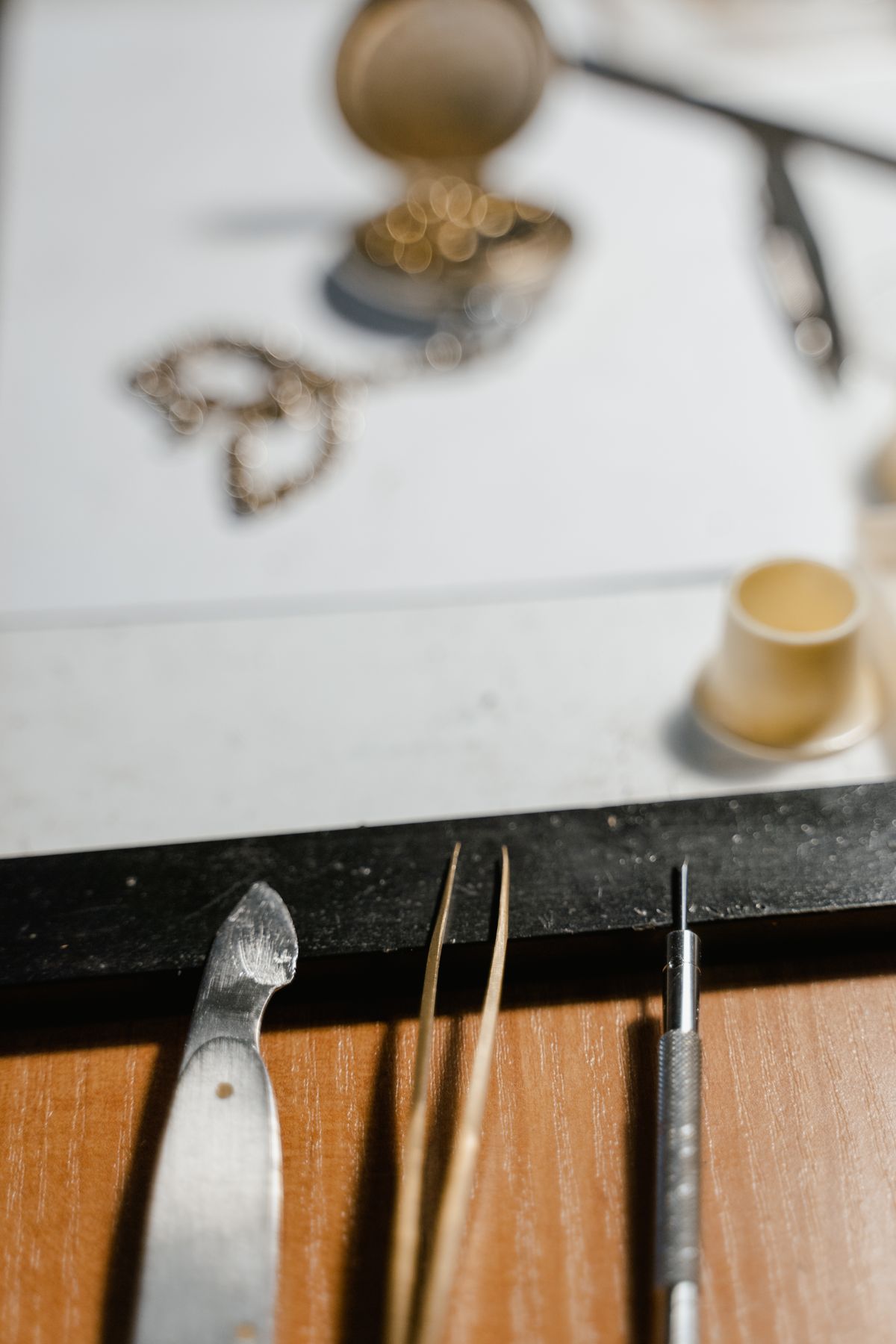
The collector's toolkitA Jaxa-type wrench, a caseknife, a set of watchmaker's screwdrivers — the minimum, so you are not improvising with whatever is in the drawer.