Nothing done to a vintage watch destroys more value than a badly judged polish. The case comes back with its original edges softened, its surfaces thinner than the factory made them, and stamped markings rubbed away for good. And yet, on the right watch, in the right hands, a polish is entirely legitimate. This guide is here above all to tell you when NOT to do it.
Why polishing is so unforgiving
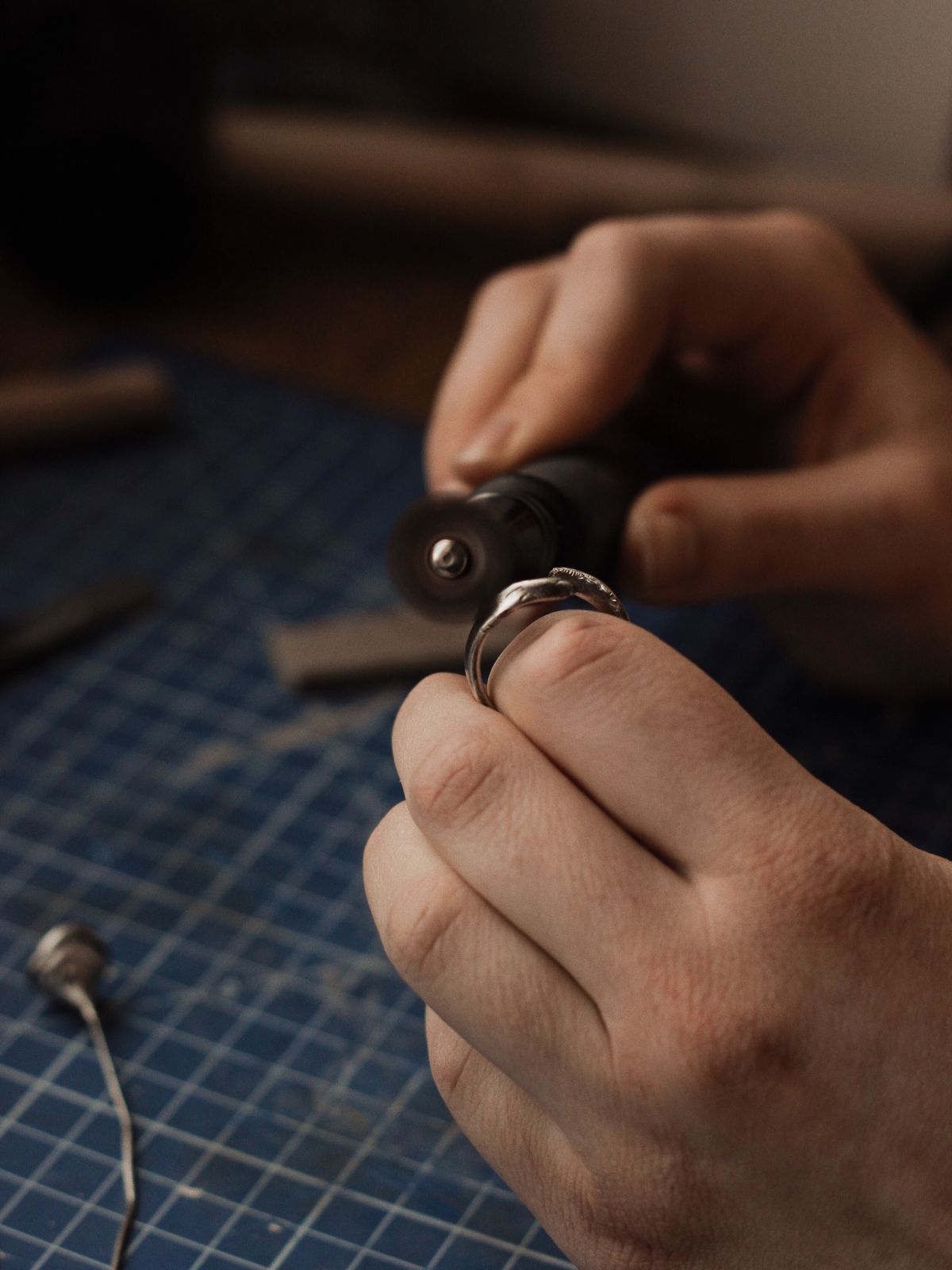
Polishing a case is not "bringing the shine back". You are taking off a microscopic layer of metal, and the scratches go with it. That layer never comes back. A watch polished several times over the decades can have surrendered an appreciable part of its original case thickness without anything looking wrong at a glance — and with the metal go the crisp bevels, the definition of the edges and, on a screw-back case, even the depth of the thread.
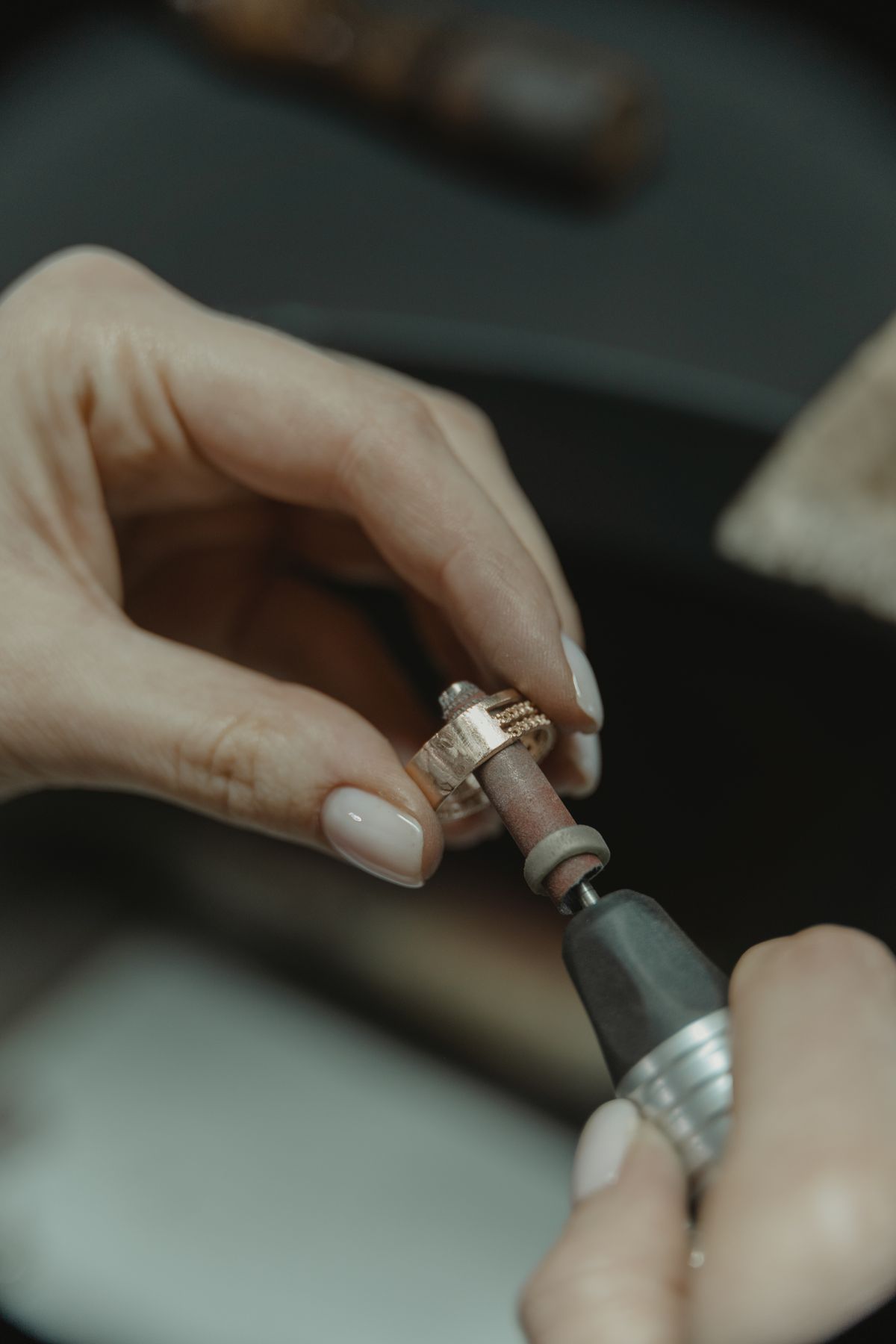
Polish after polish, edges that were originally straight and sharply defined are steadily rounded away.
It all depends on the metal
| Metal | Can it be polished? | Main risk |
|---|---|---|
| Solid stainless steel | Yes, sparingly | Repeated polishing thins the case and blunts the crispness of the bevels |
| Solid gold | Yes, sparingly | Gold is softer than steel and gives up material faster still |
| Gold plate (gold-filled / rolled gold) | Avoid | The gold layer is only a few microns thick — an aggressive polish can cut straight through it and leave the base metal showing |
| Cases with hallmarks or engraving | Avoid on that area | A polish can weaken or completely erase hallmarks and case numbers that prove the watch is what it claims to be |
When never to polish
- Anything gold-filled or plated: the risk of going through the gold layer is far too high to justify the result.
- Watches with hallmarks, case numbers or period engraving: this is how the watch proves what it is and where it came from. Rub it off and nothing brings it back.
- Cases that are already visibly over-polished: if earlier work has rounded the bevels off, going at them again only takes the damage further.
- Any rare case, or one built in small numbers: honest marks of use are worth more here than a finish that looks like new.
Careful
In the serious collector market, "over-polished" is a verdict that costs money. The price is marked down, sometimes drastically, and no buyer needs it explained to them: they can see for themselves that those edges and bevels are no longer the ones that left the factory.
When it does make sense
A light, well-executed polish earns its place when the metal is solid steel or solid gold, when the case carries no engraving worth protecting, and when what it has picked up is the shallow scratching of ordinary wear — not deep knocks, not distortion — that spoils the watch with nothing else reasonable left to try. Take off as little metal as the job allows. A perfect mirror finish is not the target and never was.
The alternative: selective polishing with masking
Restorers who take this work seriously never put a whole case to the mop. They mask off the flat surfaces and the engraving with tape or masking fluid, then work only the curves — the surfaces where a polish cannot flatten the original geometry or carry engraved information away with it.
Worth knowing
Not sure whether a watch deserves a polish? Then wait, and ask before you act. A scratch can still be polished out next year if you change your mind. A rounded bevel is never sharp again.