Restoring a vintage watch is not "fix it until it runs and shines". It is a run of decisions, each one harder to undo than the last. Get the order wrong — polish the case before you have settled whether the dial is original, say — and the finished watch suffers even though every individual operation was carried out well. This is the sequence a serious restorer works to.
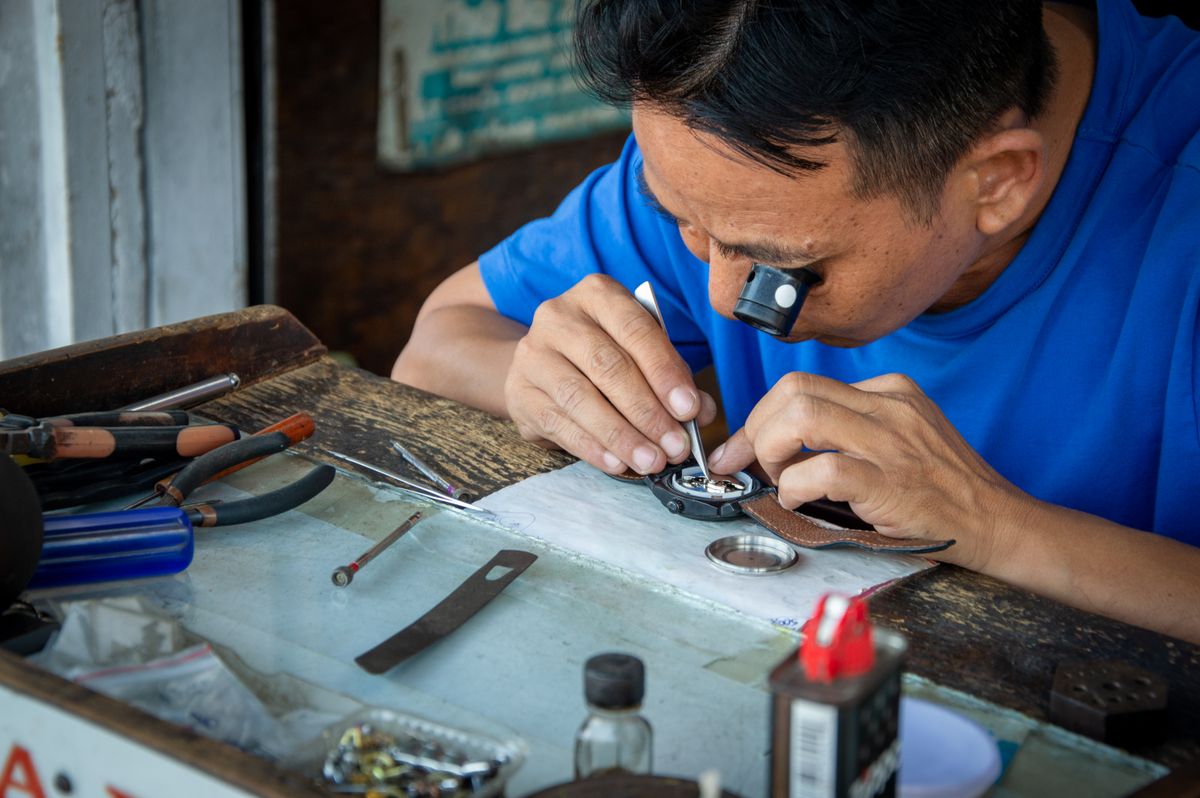
A full diagnosis before you decide anything
Before a single part comes off, go over the whole watch: case, crystal, dial, hands, crown, bracelet or strap, and the movement too if you can get eyes on it. Write down everything you find — rust, water staining on the dial, hands that do not line up, one screw that does not match the others — because the restoration itself will wipe those clues away.
That inspection is what tells you the real size of the job. A watch that wants a clean and a regulation is one thing. A watch with water damage running through the movement, and almost certainly through the dial as well, is something else entirely.
Document it before you touch it
Shoot every part of the watch in detail before you start: the case from every angle, the dial, the movement, and any engraving or marking on it. It is the only honest way to compare the before and the after, and it is what you go back to when something comes apart and you need to know exactly how it sat.
Worth knowing
Photograph the movement with the hands at a known position before you lift them off, and you spare yourself working out afterwards the exact angle they were originally set at.
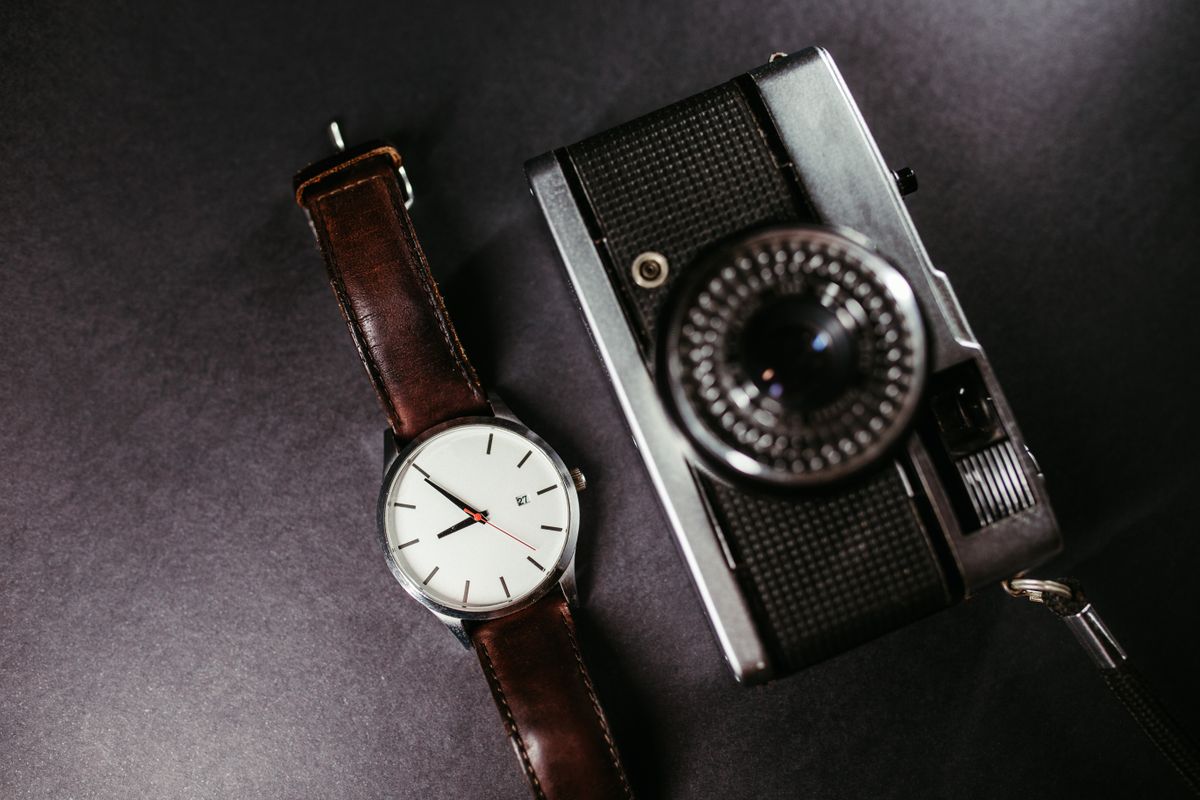
Decide what is original and what is not
Before you repair or replace anything, work out whether the part in front of you left the factory on this watch. A redialled dial, hands lifted off a different model, a generic crystal where that reference took a specific one — as restoration work, and as value, none of them is the same animal as the period-correct original.
- Hold the dial, the hands and the bezel against reference photographs of that same reference from that same period.
- If you suspect a redial, look hard at the typography, the weight of the printed strokes and the finish of the logo. Reprinted dials are rarely perfect.
- Write down every part you identify as not original — a redial, a service dial, a replacement crystal, whatever it turns out to be. That record is worth as much as the restoration work itself.

The right order of work
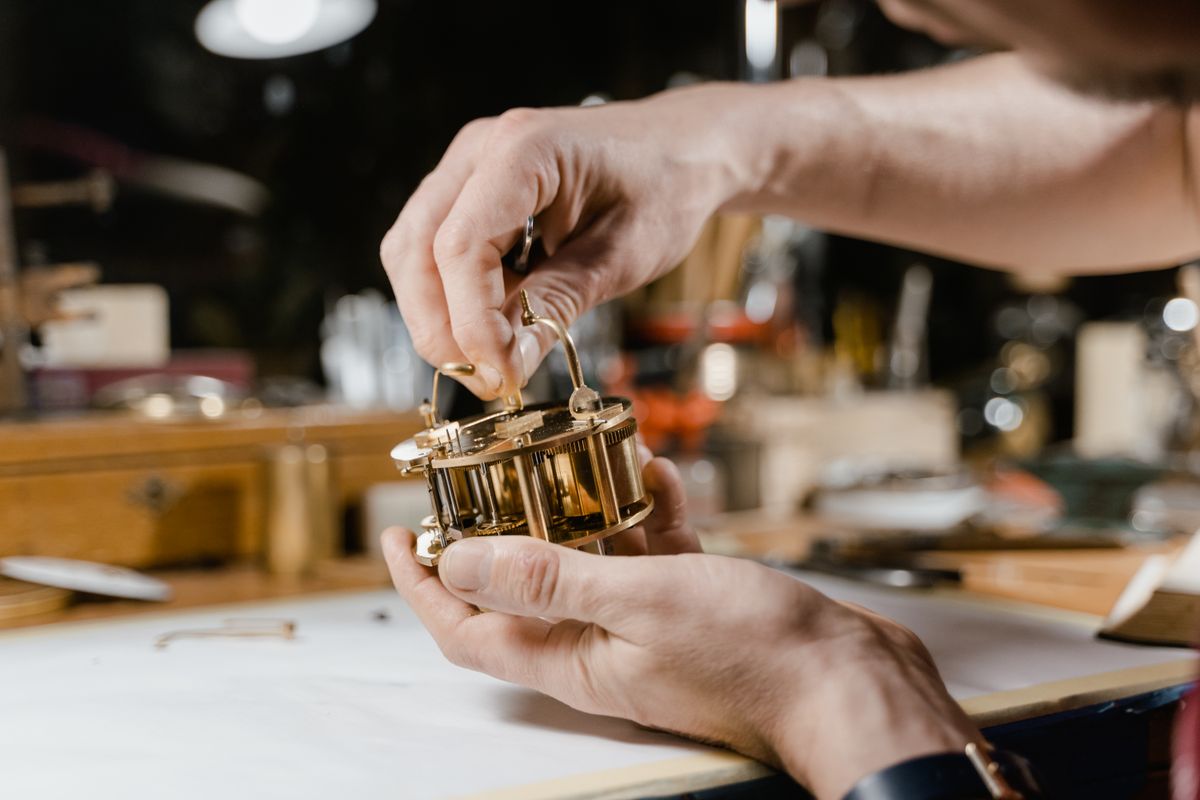
Inside outwards: the irreversible work first, the purely cosmetic work last.
- Movement: overhaul and mechanical service by a watchmaker, always first. It is the most delicate part of the watch, and it settles whether the thing runs properly before you spend anything on how it looks.
- Case: cleaned, and then — only if it is genuinely called for, and our guide to polishing a case sets out when it is — the lightest, most selective polish you can manage.
- Crystal: the acrylic polished, or replaced if it needs to be.
- Hands: adjusted or replaced, and only once the rest of the watch has reached its final state.
- Strap or bracelet: last, because it is the one thing you can change at any point without compromising anything else on the watch.
Careful
Polishing the case before the watchmaker has been through the movement is the classic mistake. If the movement then turns out to need major work, and the case has to be opened and handled all over again, the cosmetic job either gets marked up or turns out to have been pointless.
Keeping the patina
Patina — lume that has aged on its own, the slow warming of a cream dial towards yellow, the soft marks that years of wear leave in metal — is not dirt waiting to be taken off. It is the physical history of the watch, and among serious collectors honest patina generally counts for more than a manufactured as-new look. Aged lume is not a fault to be relumed away.
One question should sit behind every decision you make: is this intervention reversible, and does it respect what is left of the original watch? If the answer is no, it is worth stopping and thinking twice before you carry on.