We see it every week: inherited watches, retirement gifts, purchases from another era… sold in a hurry to a local cash-for-gold shop for a fraction of their value. Meanwhile, collectors in Germany, France or Japan pay surprising prices for those very same models. This guide explains, with no small print, how to put your watch in front of those buyers through an international online auction — the same channel we use and recommend at Tempus Europa.
Why an international auction (and not the shop around the corner)
It's arithmetic, not romance. In your town there are, perhaps, three people looking for a hand-wound 1960s Omega. At an online auction there are thousands — and when two collectors want the same watch, the price is no longer set by the buyer but by the competition. The local shop offers you the price it can resell at (that is, half); the auction gives you the price the market is willing to pay that day. And you never deal with strangers on your own: the platform holds the buyer's payment until the watch arrives safely — exactly the point where private sales usually go wrong.
Which watches sell well (this may surprise you)
You don't need a Rolex. Mechanical watches from recognised brands do very well — Omega, Longines, Seiko, Tissot, Certina, Oris, Zenith… — as do charming vintage pieces however modest, chronographs, and anything with its original box and papers. The classic "grandfather's watch" nobody in the family wears is, very often, the perfect candidate: European buyers love pieces with a life behind them. Cheap fashion quartz and watches in very poor condition are harder to place. The eternal doubt — "I don't know what I have or what it's worth"? That's what we're here for; at the end of this guide we explain how we help for free.
What it costs, with no small print
Listing costs nothing. You only pay if the watch sells: the seller commission is 12.5% of the final price (plus VAT on that commission). An example makes it clear:
An example in round numbers
| Your watch hammers at | €1,000 |
| Seller commission (12.5%) | −€125 |
| VAT on the commission (21%) | −€26 |
| You receive approximately | ≈ €849 |
Indicative figures for a private seller in Spain; the exact breakdown is shown by the platform before you confirm the lot, and VAT depends on your country. If the watch doesn't reach your reserve price, it doesn't sell and you pay nothing.
The process, step by step
Create your seller account
It's free and takes a few minutes. That's all you need to submit your first watch — no professional status or previous experience required.
Take photos that sell (this is half the sale)
Buyers bid on what they can see. You don't need a professional camera — you need light and honesty:
- Natural light, no flash: next to a window, on a plain neutral background.
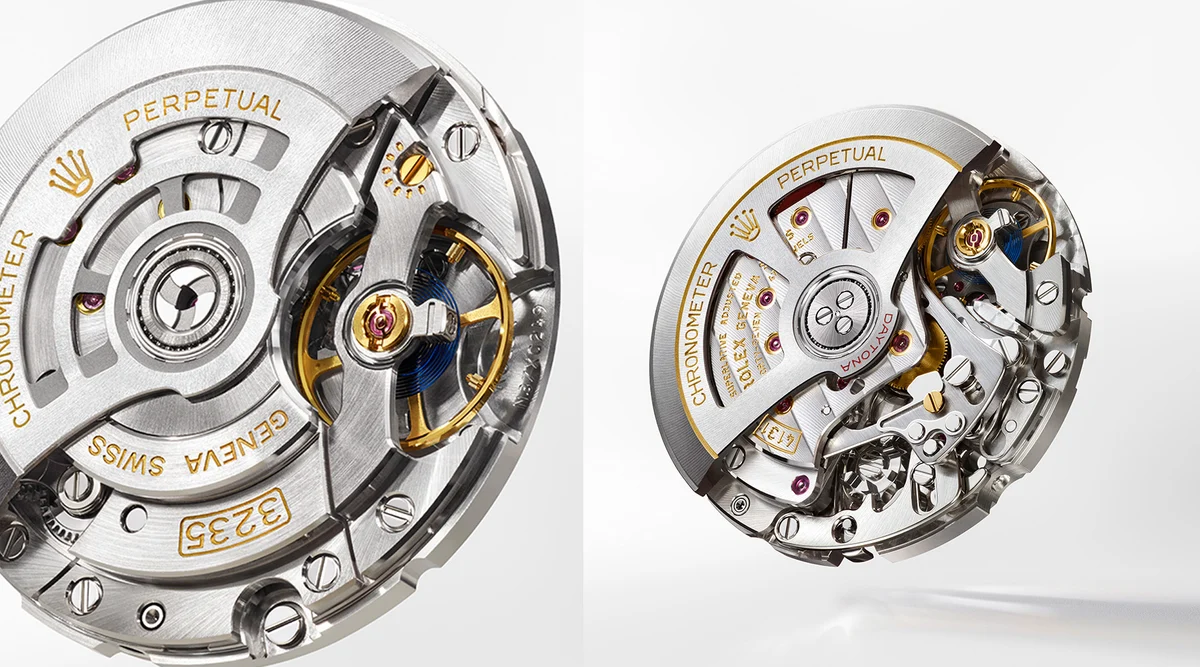
- The shots collectors expect: dial straight on, sides, case back, crown, clasp… and if you (or your watchmaker) can open it, the movement — the single most trust-building photo there is.
- The flaws too: that mark on the crystal or the scratch on the lug is better shown than discovered. A buyer who trusts you bids higher — and you avoid returns.
- Box and papers, if they exist, always in the photos: they raise the price in a very real way.
Describe without fear
Brand, model, reference if you know it (usually engraved between the lugs or on the case back), diameter, whether it runs and what's missing. Don't know the reference? No problem: describe what you see and let the expert do the rest. And if the watch has a story — "it was my father's, bought in the seventies with his first paycheck" — tell it: charm has a price too.
An expert reviews your lot
Before going to auction, a watch expert reviews your submission: checks that the description adds up, estimates a value range and decides which auction suits it best. That filter works in your favour — it keeps the auctions' standard high, which is why buyers trust them (and bid).
The auction: about 7 days of bidding
Your watch goes live with the expert's estimate and buyers across Europe do the rest. One important decision: with or without a reserve price? The reserve is your safety net — if it isn't met, the watch doesn't sell and you lose nothing; it makes sense for mid-to-high value pieces. Going no reserve attracts far more bids, because buyers know the watch will definitely go: for entry-level pieces it's usually the winning move. The expert will advise you on your specific case.
Sold: insured shipping and payment
Once sold, you ship the watch insured and tracked (you'll be guided on packing: rigid box, watch immobilised, nothing loose). The buyer has already paid — the platform holds that money and releases it to you after delivery, normally within a couple of weeks. You never have to chase anyone to get paid.
Three golden rules before you start
Never polish it. Ever.
The most expensive rookie mistake there is. Polishing erases the case's original edges and with them part of the value: a collector pays more for an unpolished case with honest wear than for a shiny, rounded one. Gentle cleaning yes; polishing, never.
Don't restore it "so it looks nice"
Repainted dials, replaced hands or modern crystals on vintage watches subtract, not add. Buyers want originality. If the watch doesn't run, say so plainly: many people buy precisely to restore it themselves.
Box and papers are worth real money
That case "taking up space" in the wardrobe and the period stamped warranty can add 10-30% to the final price depending on the piece. Go through your drawers before selling — it's worth the dig.
Send us a few photos on WhatsApp and we'll tell you for free what it is, what value range makes sense and whether it's worth auctioning — no strings attached. We've spent years around watches and we like seeing pieces end up in good hands (and well paid).
Ask us on WhatsAppFree account · listing costs nothing · commission only if it sells
Transparency: the blue buttons lead to Catawiki, the auction platform we recommend. They are affiliate links — if you sell or buy there, Tempus Europa may receive a commission from Catawiki. It costs you nothing extra, and our WhatsApp opinion is free and independent.